

Underground City Of Egypt Pyramids? A Controversial Discovery That Could Rewrite History
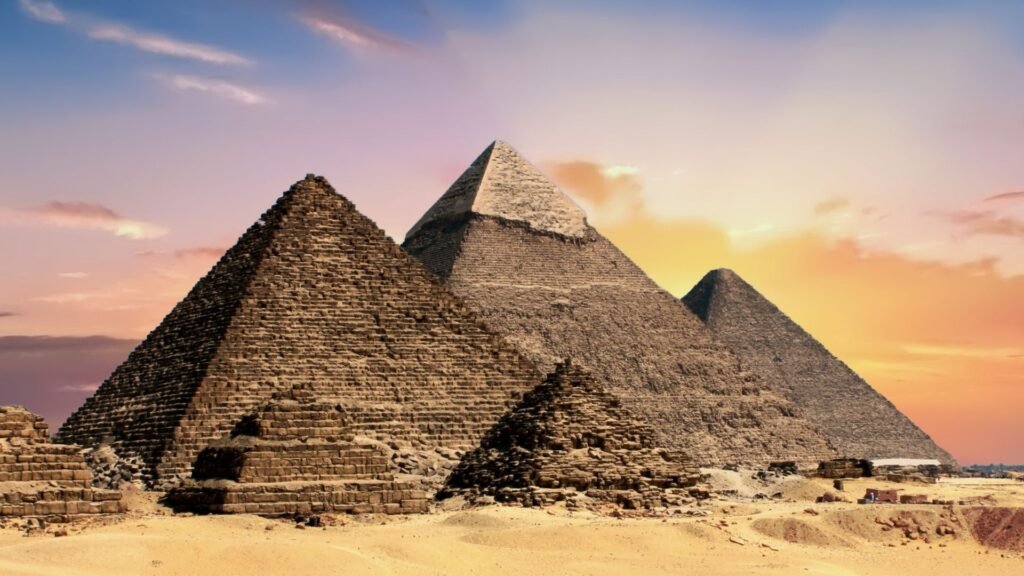
Recent reports, alleging the discovery of a huge underground city of Egypt pyramids, at the Giza Plateau in particular, at present remain contentious, with both the supporting evidence and interpretations the subject of great controversy among Egyptologists and geophysical experts. Those radar-based readings in 2025 revealed deep underground features — vertical shafts, spiraling staircases and giant chambers — that, if verified, could upend our understanding of ancient Egypt’s architectural and spiritual ambitions. But there are many doubters among existing academics, and these findings have not been peer reviewed or generally accepted within archaeological circles.
Controversial Discovery and Its Techniques
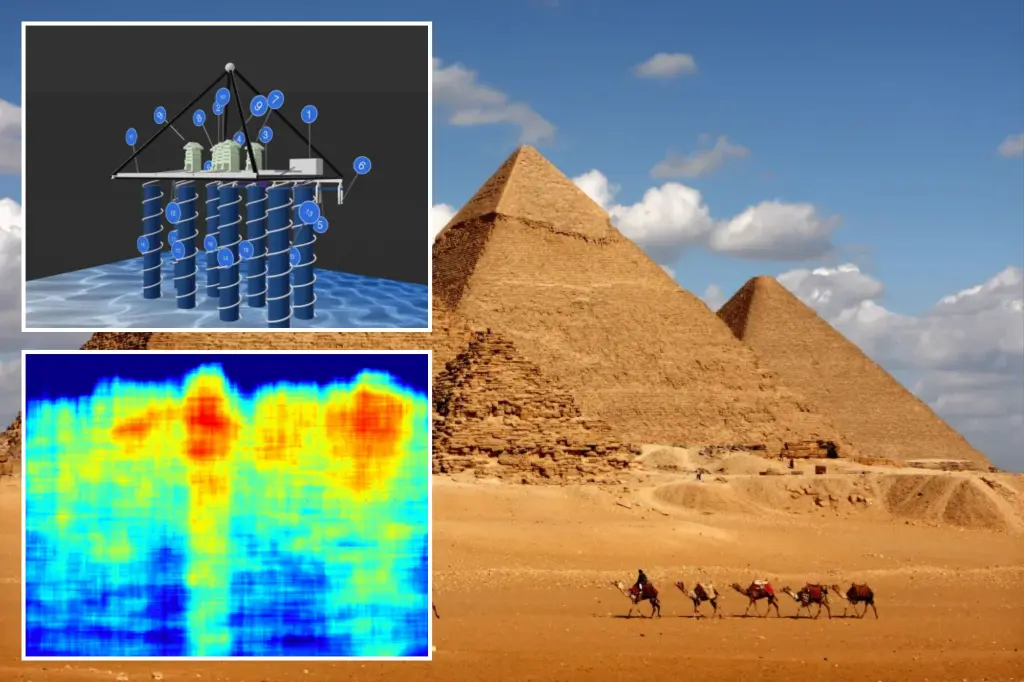
Italians around Prof. Corrado Malanga (and others) put radar team in the ground and used (among others) sophisticated satellite imaging techniques, in particular Synthetic Aperture Radar (SAR) tomography underneath the Giza pyramids.
- The approach combines satellite and seismic information, and the team says they were able to detect formation patterns some 2,100 feet (648 meters) below the sand:
- Giant unsightly shafts descending deep into the ground.
- Spiral staircases of architectural precision.
- Wide stone chambers as big as city buildings.
The features they describe stretch below all 3 of the main pyramids — Khufu, Khafre and Menkaure — and point to a complex network that is deeper than any known structure built in ancient Egypt.
Historical Subterranean Spaces
- The concept of underground chambers is not new.
- The Great Pyramid of Khufu, for example, has various subterranean aspects, such as
- The Subterranean Chamber (Pit), niches, and blind passages, some of which were unfinished and carved into the bedrock.
- These chambers are, however, on a more limited scale than those claimed recently for the radar.
- Conventional Egyptology tells us that these spaces were intended as tombs, or for some type of symbolic/spiritual purposes, but recent speculation surrounding the underground city of Egypt pyramids has reignited interest in these ancient underground features.
Myths of Old and the Hall of Records
Myth, ancient history (recorded most famously by Herodotus) and new-age virtual communions maintain that beneath the Sphinx or some of its pyramids, a “Hall of Records”—repository of ancient wisdom—had been buried. These myths are stoking anticipation for new findings that some people hope will help confirm the existence of lost libraries, temples, or ceremonial sites under Giza.This blends myth with science, fueling the mystery around the underground city of Egypt pyramids.
Academic Skepticism
Apart from the wildly speculative media headlines, there is little to no serious evidence that there exists an actual underground city, according to most Egyptologists and geophysical researchers. Specific challenges include:
Satellite radar does not penetrate deep and thus detection of deep chambers is not ensured.
The interpretation requires on-site verification of the ground (dig site, borehole).
Radar signatures might be susceptible to overinterpretation, as they could be the result of natural geological phenomena rather than artificial constructions.
More experienced experts like Dr. Zahi Hawass and radar specialist Prof. Lawrence Conyers declare that although small, discrete underground cavities may be there, proof of a city are unconvincing.Yet, conspiracy theories about the underground city of Egypt pyramids continue to spark public fascination.
Features and Theoretical Layout
If true, the underground city would involve:
- Several vertical columns and shafts down over 2,100 feet.
- Spiraling stairways and hallways corresponded with the pyramid-design on the surface.
- These interlocking chambers, many over 80 meters across, could have been used for communal or ceremonial purposes.
- Pipe-like structures, indicating advanced water management or ritual uses.
- Some have drawn parallels with ancient Mesoamerican building traditions, in which pyramids were constructed on top of caves or sacred caverns, This comparison has strengthened arguments for the underground city of Egypt pyramids being a reality, connecting global ancient architectural practices.
Known Underground Spaces of Giza

a limited number of authentic underground chambers and tunnels have been mapped in field-reconnaissance level archaeological surveys,
- Lower Chamber below Khufu’s Pyramid probably intended as Khufu’s burial chamber until plans changed.
- Perring’s Shaft and blind drifts are reminders of hardy quarrymen and later searchers.
- Legends surround the Sphinx with stories of secret tunnels or libraries below its paws, no such retreat having been rigged, apparently.
But these pale in comparison to the scale suggested by the “hidden city.”
Implications for Egyptian Civilization
If it were true, the Underground City would entirely recast our view of ancient Egypt:
- Evidence of advanced underground engineering and planning that pre-dates examples in the known world.
- Possible remains of lost technologies, religious establishments, or lost human civilisations beneath the Giza plateau.
- Fresh views of the pyramids as not simply tombs but as entrances to colossal ceremonial or practical subterranean realms.
- “This would be consistent with the myths of ancient (nehekaw) guardians, and strengthen the links between the Egyptian and Indian religious traditions.
Concussion
Recent rumors about a possible underground burgh under the ‘hood of the pyramids at Giza have people excited and speculative on mysteries that have been suggested for years but never with any real, solid evidence. Where cutting-edge radar and satellite techniques uncover intriguing shapes underground — shafts, spirals, rooms — many experts are skeptical, arguing that earlier claims as to what lies beneath the site have fallen under the weight of a barrage of geophysics that didn’t involve picking up shovels. Whether or not this honeycomb underground is actually a certified Find isn’t the point here so much as it is a giant ecolithic underground vault that has drawn the world’s attention to the allure of Egypt’s obscure legacy — and the mysteries lurking just beneath the sand.!