

TTD Temple Sources of Earnings & Net WorthThe
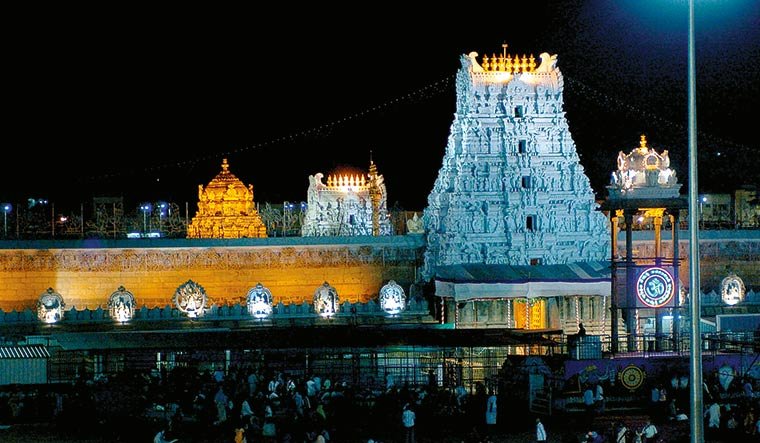
Tirumala Tirupati Devasthanams (TTD), which is an autonomous board overseeing the sacred wings of Lord Venkateswara Temple on its hilltop shrine town of Tirumala, has been ranked as one of the richest temples in Hindu culture. Its net worth is expected to beat ₹2.5 lakh crore, $30 billion (2022–2024) making it higher than the market capitalization of many blue-chip Indian companies.
Major Elements of TTD Asset Bases
Richest Temples in India & Fixed Deposits (Cash Reserves):
As of September 2022, TTD holds over ₹15,938 crore in fixed deposits with various public and private banks , TTD admits to Rs 160 cr cash pile up The Economic Times | Published: April 20, 2024 Bangalore: As of April-end in 2004, the total combined cash balance across TTD and its subsidiary trusts has grown to almost
Gold Holdings:
Gold remains a significant asset. TTD owns 10.25 tonnes of gold deposits in banks, and holds around 2.5 tonnes of gold jewellery collectively worth several thousands of crores.
Land and Properties:
The trust is said to have hundreds, up to over nine hundred or more nation world-wide land places and buildings.
Sources of TTD’s Income:[Richest Temples in India]
Richest Temples in India in Hundi Collections
A conservative estimate based on devotees dip in the open hundi) it directly at the temple brings into tend to dispose of cash offerings MIDC. The Economic(unofficially) and the tourist footfall, you would conclude that donations of ₹1,000+ (₹1000 corrodes Rs 1600 crore annually Cash is by no means unusual decades old – ‘hundis’ as receptacles for collecting even Declaration form filled out upon entry to religious.
Interest on Fixed Deposits:
Theni Interest Income—over ₹600 crore or more this year and sustainable operations contribute around The Quint.
Richest Temples in India Revenue from Services & Sales:
It generates revenues from prasadam sales, darshan and seva tickets, accommodation, event locations, banta rentals and otherservices. Implications: Along with them, we have a revenue part of more than ₹5,000 crore in its 2024–25 budget.
Prasadam sales (~₹600 crore)
Darshan bookings (~₹338 crore)
Seva services (~₹150 crore)
Accommodation and mandapam (wedding hall) rentals (~₹147 crore)
Trust receipts, rents, tolls, publications (~₹85–75 crore each) Source:
Summary:
The formidable wealth behind TTD comes from the threefold structure as outlined below :Assets
such as gold or real estate, etc)
Regular interest revenues from fixed deposits and other financial investments,
Income from temple services and offerings.
All these together make TTD, the pilgrim age spot along side a financial mammoth standing at par with any of the most established and wealthiest corporate or institutional giant in terms of assets and income.
Padmanabhaswamy Temple – History, Wealth, and Its Place Among the Richest Temples in India
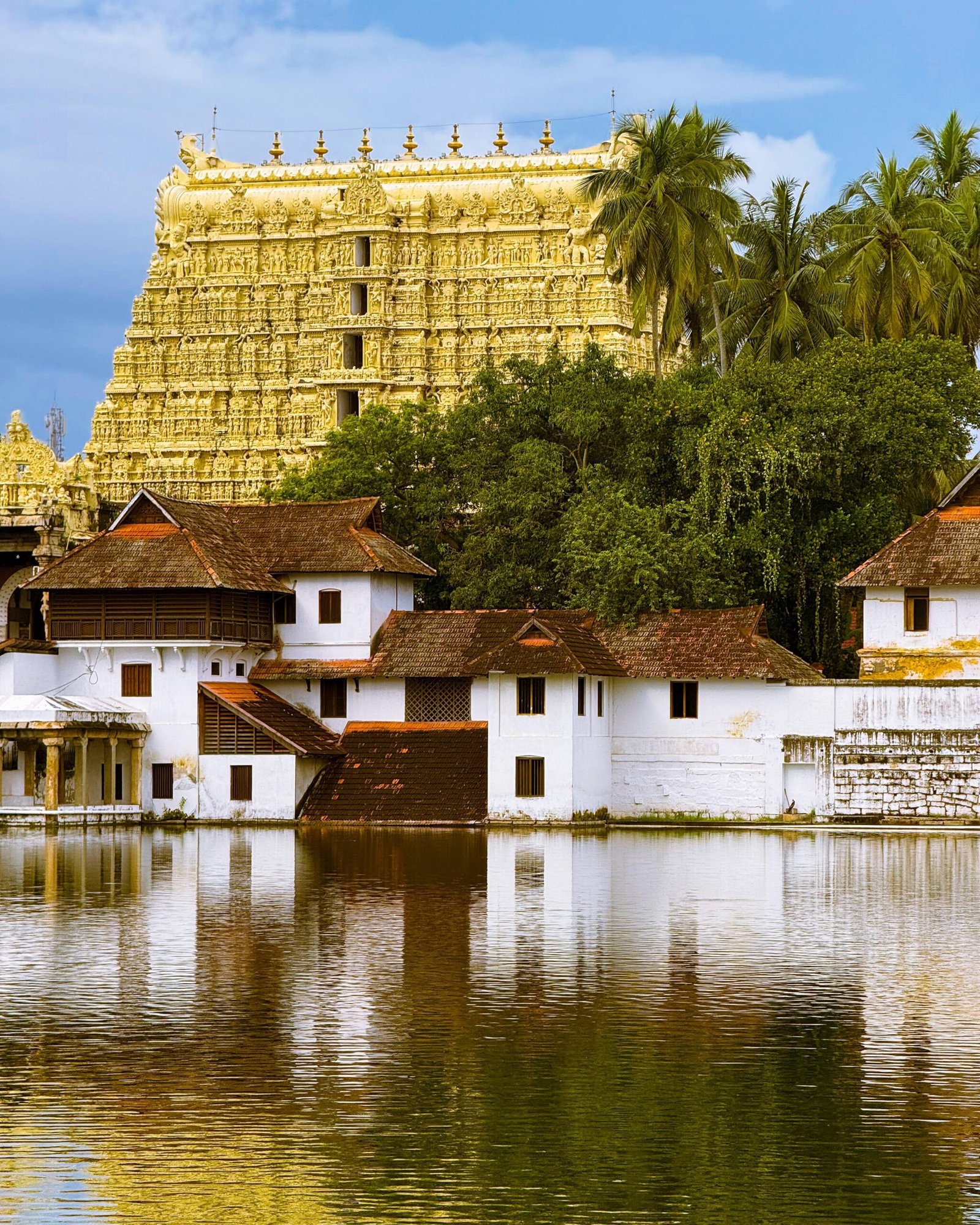
Padmanabhaswamy Temple, in Thiruvananthapuram, is one of the Richest Temples in India & Kerala is probably the most valuable temple, not just located in India but also among the richest temples in India & also world. Its net worth of Rs1.2 lakh crore (approximately $26-27 billion) in 2025. Its wealth is stored with jewellery, gold as well as crowns, coins, and antiques hidden within its underground vaults. The staggering collection of treasures made news around the world as an inventory of its chambers was ordered arbitrarily to be taken by the Supreme Court itself, revealing hidden treasures and secret mullahs, a handful of which are still in a state of obscurity to this day.
Historical Origins of Wealth!
This huge treasure that is The Padmanabhaswamy Temple is the sum of 40,000 kg (80,000 lbs) gold, around 250-mn-worth of diamond, and a few more lakhs worth of jewels donated by the successive royal rulers and devotees who have travelled over the centuries to offer offerings from various parts of. The legacy of the financial side of the temple could also be traced to a direct connection to that of the Travancore royal family, who had ruled the southern region of Kerala as well as areas that comprised Tamil Nadu. The king Marthanda Varma made a symbolic offering of his entire kingdom to Lord Padmanabha in 1750. He also pledged his services as an “dasas” (servant). Through the remainder of the King’s reign, all sources of revenue for the government as well as vassal tribute streams were pumped into the temple. Generations upon generations of Monarchs continued this tradition or by presenting different kinds of cash, land, gold and jewelry or even their body weight in gold donations ( Thulapurushadanam)
The temple’s coffers were increased to a large extent with the help of merchant guilds, traders from abroad, and colonial power as well. Traders traveled across Kerala across Arabia, China and Europe offering silver, gold and precious stones for protection on their journeys or for a successful trade. These were augmented by local worshippers who offered their support regularly particularly during festivals and the most auspicious times during the season. As time passed the amount of land gifted increased too. The temple’s vast endowments eventually grew to thousands of acres expanding its hold not just in devotion, but also commerce.
Richest Temples in India [Sources of Current Income]
Despite the worth of the legendary hoard, Padmanabhaswamy Temple runs like every other regular Hindu temple it is based on a variety of income streams that are more recent: All donations from followers: Daily cash as well as jewellery, gold and cash offerings. The temple Land Income is derived from the agricultural lands of the temple land income Puja Bookings and Ritual Fees Payments for special Pujas that make up a significant amount of the annual income.
Government Grants: Subsidy derived from the responsibilities of the Travancore royal family as well as Kerala state government.
Interest and Bank Deposits: Earnings from investing in the cash asset, a liquid asset, through bank accounts.
For instance, the typical annual operating income for the temple is derived from contributions and revenue from land has been estimated to be in the region of Rs33 crore in recent years, however its historic treasures lie in slumber. This is because it is a shame that the Padmanabhaswamy Temple is a living representation of the past as well as the faith and wealth of Kerala as a unique mix of religious devotion and wealth and material prosperity.
Richest Temple in India Guruvayur Temple: Net Worth and Income History

Guruvayur Temple is one of the Richest Temples in India it is located in Kerala and is among the most prosperous and revered temples of worship, dubbed to be the “Dwarka of the South.” As as 2025, Guruvayur Temple’s net worth was estimated to be at least2 million rupees. This wealth is a reflection of the past and present worship and makes Guruvayur Temple a major spiritual and social center.
Major Assets and Net Worth Breakdown
The temple has one of the most Richest Temples in India & aroundtwo hundred acreswithin and around Guruvayur. It is a unique asset in Indian temples. It also holdsfixed bank deposits of around Rs 2,053 croreas well as additional cash reserves. Guruvayur’s gold reserves are huge with around124kg of pure gold,72kg of studded ornaments made of goldand6.073 kg of silver. The annual revenue is around400 crorewhich is derived from directly offered offerings, the rituals and the hundi collection in this way it is the one of the most Richest Temples in India.
“Richest Temples in India and Their Sources of Income”
Richest Temples in India Guruvayur’s wealth is derived from a variety of sources:
- daily donations (hundi collection):Devotees and pilgrims give gold, cash and silver, usually result in collections that exceed 5 crore rupees in one month, particularly on auspicious and festive occasions.
- weddings, rituals and ceremoniesNumerous wedding ceremonies are held each year within the temple precincts, which contribute substantial amounts of money and contributions.
- Land leases and property:The temple’s extensive property is leased to commercial, agricultural and residential uses, generating an ongoing rental income.
- Silver and gold contributions:Devotees gift ornaments and precious metals. Some are specifically designed to be used in temple ceremonies or for the purpose of adorning the god.
Particularly, distinctive practices like “Nadakkiruthal” (elephant donation) provide both financial and cultural value for the temple. Donations be anything from elephants to valuable gold jewelry, land as well as cash-endowments.
Richest Temples in India Historical Growth & Wealth
Guruvayur’s financial standing dates back to centuries. Royal patronage from the time of the royals, generosity of the local rulers and instances of exceptional charitable acts laid the foundation for the temple’s growth. In times of hardship, such as religious persecution or changes to the regime–the temple was able to survive due because of faith and the kindness shown by local population. As time passed the wealth accrued through constant religious practices as well as a solid management system of the Devaswom Board, and unwavering faith of thousands of devotees across the globe.
Present-Day Significance
The temple serves now not just as a religious centre but also as an important economic institution that provides funding for schools as well as hospitals and charitable initiatives in Kerala. Guruvayur’s wealth speaks to the tradition of South India’s generosity in religious offerings as assets grow each year due to the constant dedication and disciplined financial management.
Guruvayur Temple stands as a living symbol of prosperity, faith and historical endurance that reflects centuries of tradition and charitable giving that define its financial and spiritual heritage
Richest Temples in India Shirdi Sai Baba Temple
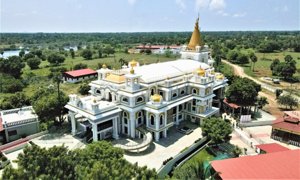
Shirdi, devoted to Sai Baba, a 19th-century saint respected by both Hindus and Muslims. The shrine, developed around the samadhi of the saint in 1922, is today one of India’s busiest and richest spiritual spots.
Net Worth (2025):
Estimated at ₹1,800-2,000 crore.
Bank deposits alone are to the tune of ₹1,800 crore.
The physical assets consist of 380 kg of gold, and over 4,400 kg of silver.
Source of Income:
Daily hundi collections (cash donations).
Donation of the gold and silver.
Income from fixed bank deposits—deposits the temple trust subsequently parks at lucrative rates.
Online and foreign currency donations.
The temple controls vast tracts of real estate and also gets handsome income from its operations such as shops, guest houses etc.
Over the decades, the number of annual visitors has risen dramatically with anywhere from 50,000 to 60,000 average daily visitors. It has also translated into robust annual revenues — the collections in recent times having ranged from ₹900-2,000 crore a year, with significant spend on charity (free meals, hospitals and institute.
Richest Temples in India: Golden Temple (Harmandir Sahib)
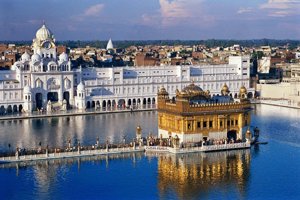
Golden Temple (Harmandir Sahib) is situated in Amritsar, Punjab and it is the ultimate spiritual and architectural greatness that provides a living proof of Guru Ravidas Ji s quote. The importance of this site lies in its rich history which is associated with Sikhs from all around the world who visit here in millions every year.
Net Worth and Physical Assets Golden Temple
The One of the Richest Temples in India is also Known as Golden Temple is Net Worth is estimated to generate an annual income of about ₹500 crore, and their total assets had only been partially revealed in strict privacy by the temple authorities. It is roughly 400 kg of gold that has been used for plating the upper floors and domes; some accounts say that even more gold was applied under Maharaja Ranjit Singh, describing a total on as much as 750kg of gold plating in early 19th century historical renovations. Unlike other temples, which have enormous deposits and land assets, the circulating wealth of the Golden Temple is stockpiled predominantly in gold jewellery and liquid assets from donations.
History of Net Worth Growth Golden Temples
The wealth of The Golden Temple has been amassed and carefully preserved over many centuries, beginning with the patronage of Sikh Gurus and furthered by royal support. The project was started by the fourth of the ten Sikh Gurus, Guru Ram Das in 1577 and completed by his successor Guru Arjan Dev. It was completed during the time of Fifth Guru, Guru Arjan Dev. The gold plating and its marble inlay was in large part donated by Maharaja Ranjit Singh in the 1830s. The temple as Sikhism plants its spiritual roots takes root, flourishing culturally and materially— community reverence and devotion consistently translate into charity and offerings.
Sources of Income
Golded Temple: It is one of the largest income generator in country; so even with the stark difference between expense and total wealth, a lot remains accountable where Golden temple revenues are concerned.
Contributions from followers : These presents are often in the form of money, gold, jewels and costly metals gifted by people that throng to the temple. Annual donations reached over ₹75 crore in total during some individual years, as several million devotees visited the site of worship each year, and spikes in annual influxes of donations have sometimes coincided with large volumes of pilgrim footfalls.
Langar (community kitchen): The Golden Temple is home to a langar, or community kitchen, that serves free meals to over 100,000 people daily with much of its revenue earmarked for this purpose. The temple also garners a substantial amount in donations made to sponsor langar.
Assets & Returns on Investment : The Golden Temple [well not very wide as some other temples] has fixed deposits, investments and liquid assets that are maintained by the Shiromani Gurdwara Parbandhak Committee (SGPC).
Exemption from Income Tax: It will not be levied on any funds offered by the Telanganites as religious offerings specifically for restoration & maintenance resulting in creating/building a corpus of the assets making temple rich & immovable.
Conclusion
As a Sikh person, I am proudly say one of the Richest Temples in India is also a Golden Temple represents to me not just spiritual purity but also an eternal shrine of communal benevolence. The fact of centuries of faith, royal patronage and daily acts of devotion. Funds from the temple go to support its mammoth kitchen, preserve its gold grandeur and a plethora of charitable initiatives — so the true valuatioDf it is indelibly linked with both its history and ongoing Sikh benevolence.
Top 5 Richest Temples In India
| S.NO | Temple Name | Location | Net Worth / Assets (Approx.) | Major Sources of Earnings | Notable Details |
| 1 | Tirumala Tirupati Devasthanams (TTD | Andhra Pradesh | ₹2.5+ lakh crore (~$30 billion) | Fixed deposits (~₹15,938 crore), Gold (10.25 tonnes + jewelry), Land properties, Hundi donations (~₹1,000+ crore annually), Prasadam sales, Darshan & seva fees, Accommodation rentals | Largest temple wealth in India, diverse income streams |
| 2 | Padmanabhaswamy Temple | Kerala | ₹1.2 lakh crore (~$26-27 billion) | Donations (gold, jewels), Land income, Puja fees, Government grants, Bank interest income | Known for hidden vault treasures, historic royal patronage |
| 3 | Guruvayur Temple | Kerala | ₹2,000+ crore | Hundi collections, Gold & silver donations, Fixed deposits income, Real estate rents, Online & foreign donations | 50,000-60,000 daily visitors; substantial charity work |
| 4 | Shirdi Sai Baba Temple | Maharashtra | ₹1,800-2,000 crore | Hundi collections, Gold & silver donations, Fixed deposits income, Real estate rents, Online & foreign donations | 50,000-60,000 daily visitors; substantial charity work |
| 5 | Golden Temple (Harmandir Sahib) | Punjab | ₹500+ crore annual income, 400+ kg gold | Donations (money, gold, jewels), Langar (community kitchen) funding, Fixed deposits & investments | Famous Sikh temple with immense cultural and spiritual value |